Photo coming soon
Kullu Shawls & Stoles
The valley's signature: soft wool with bright, handwoven geometric borders.

Handloom from the Kullu Valley
A bespoke handloom house from Manali, where mountain wool becomes shawls, stoles and stories, woven entirely by hand.

Born of Heritage
aara grows from Heritage Weaves & Crafts, a Manali workshop of two decades. Its weaves never left the valley, until now.
Our mark is a weave: the taana and the baana, warp and weft, the two threads that cross to make any cloth. It is how every shawl is made, and how every story here is told.
The Story
The Kullu shawl was not always the bright, patterned heirloom you know today. Its journey mirrors the valley itself: humble, resourceful, and quietly proud.
Valley folk wove plain woollen strips called patti to keep out the cold, narrow bands in the natural greys, browns and whites of mountain sheep. Men stitched them into coats; women draped them as pattus.
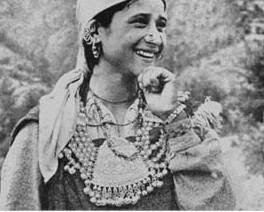
Master weavers from the neighbouring Bushehar region brought vivid geometric motifs. Local hands adopted them, and the plain pattu bloomed into the patterned border the Kullu shawl is loved for.
In the Valley of the Gods, the actress Devika Rani admired the local weaving. At her encouragement, master weaver Sheru Ram wove the first full-size Kullu shawl, and an industry was born.
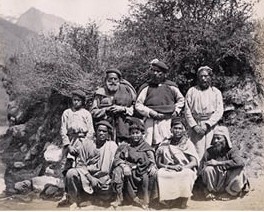
Many motifs trace back to the intricate shawls of Kinnaur, where colour holds meaning: white for water, yellow for earth, red for fire, green for air, blue for the sky. Kullu weavers simplified and enlarged them into the bands we know.
The Kullu shawl now carries a Geographical Indication, a mark that protects its makers and assures you of the real thing: handwoven, in this valley, by people who learned it from the generation before.
The Craft
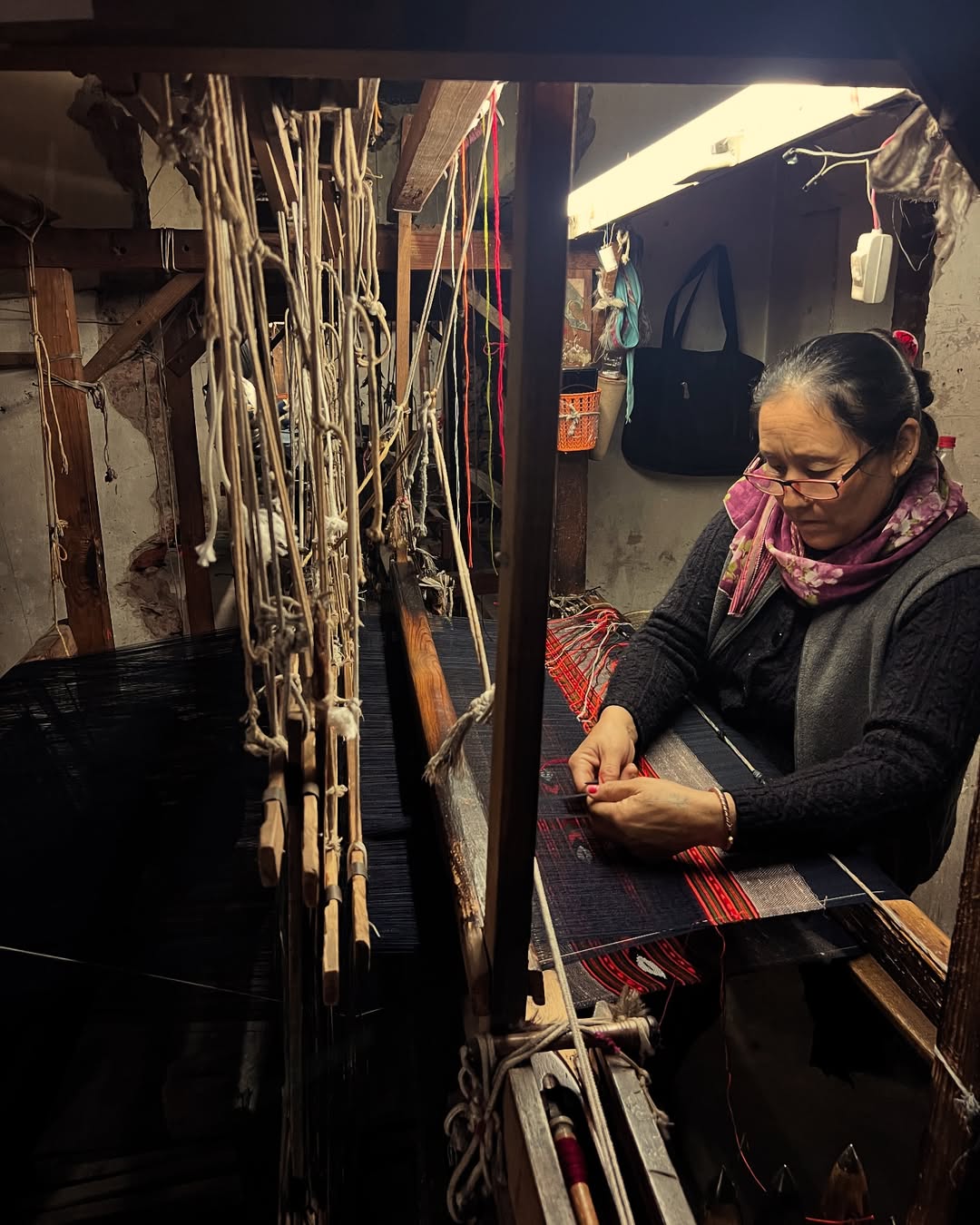
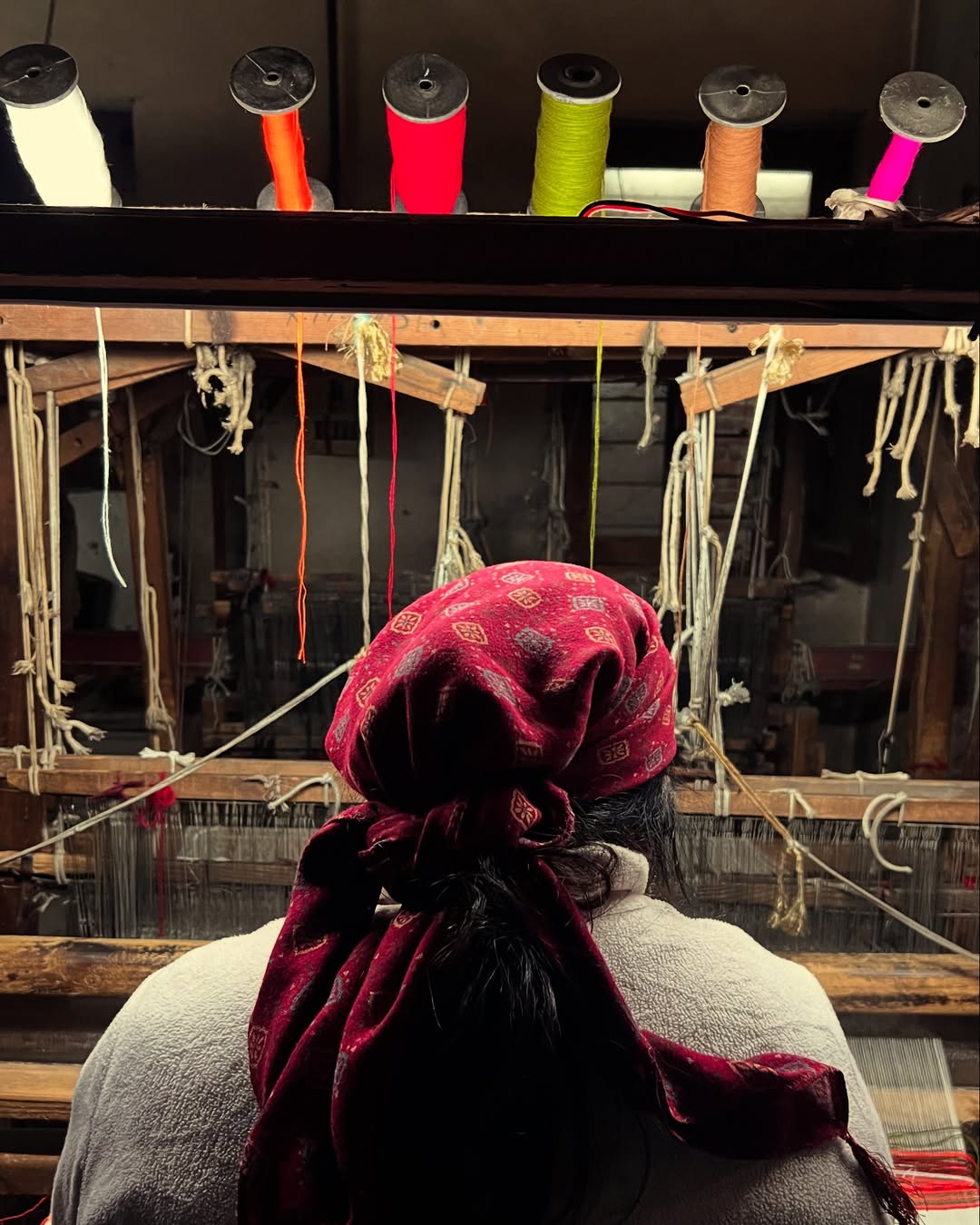
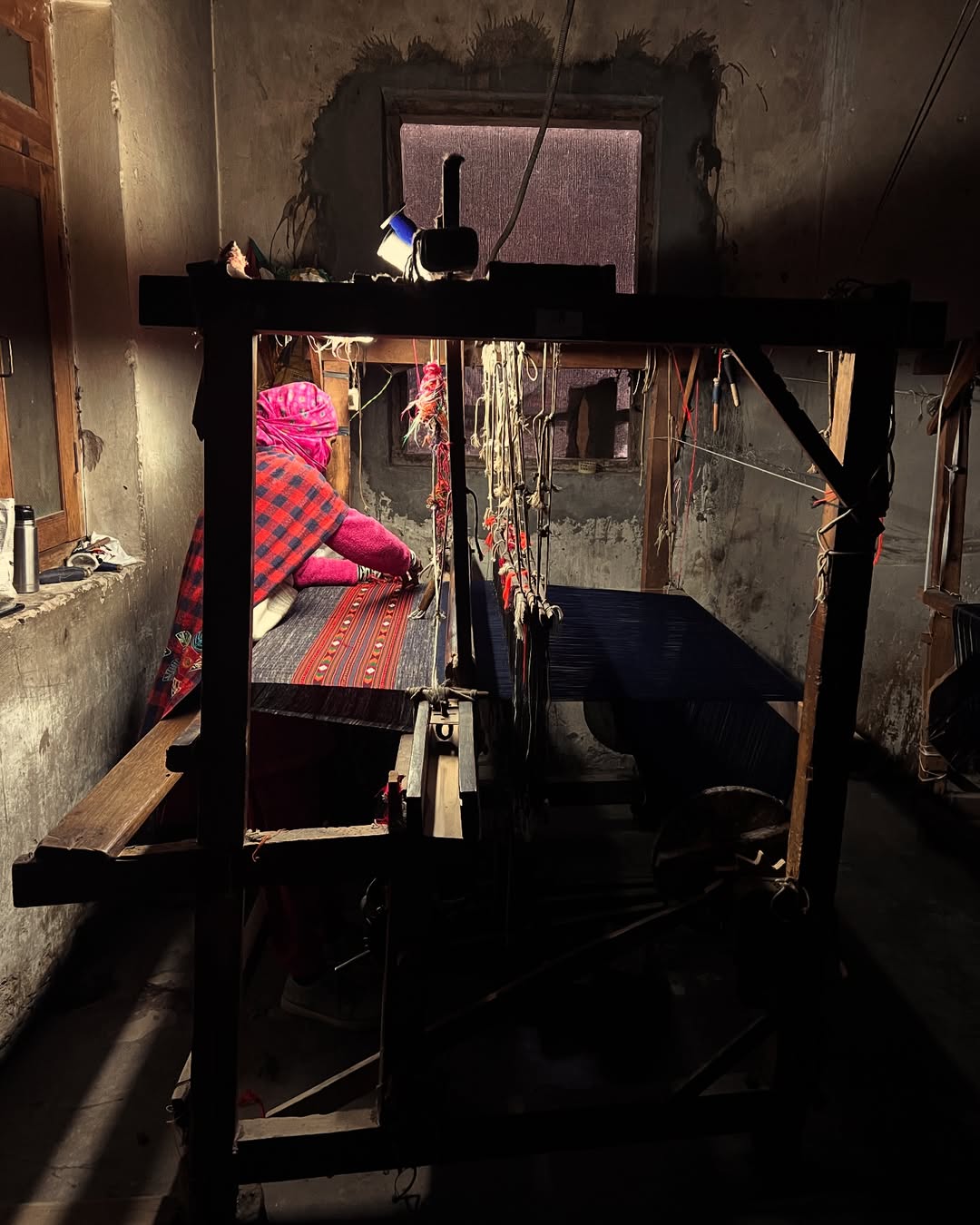
Everything we make begins on a khaddi, a hand-operated loom with no electricity at all. The weaver’s hands and feet do the work; the clack of the wooden shuttle is its only music.
On a genuine Kullu shawl, the pattern is part of the cloth, not printed or stitched on after. Turn it over: the design reads the same on both sides. Small irregularities are not flaws. They are the mark of a human hand.
taana: the warp, the lengthwise threads, the backbone. baana: the weft, the colour the weaver carries across.
Hardy sheep graze the high meadows, led up and down the slopes each season by Gaddi shepherds.
Wool is gathered twice a year, in spring and autumn, lightening the flock and yielding the season's fibre.
Cleaned fleece is combed until the tangled clumps become soft, aligned rolls ready to be spun.
Fibre is drawn and twisted into yarn, on the wheel, the spindle, and the patient hands of the valley.
Yarn takes its colour from earthy vegetable dyes, or safe, azo-free shades that stay true for years.
Thread by thread, the shawl is built on the loom, its borders added by hand, motif by motif.
An ode to the craftswomen of Manali
When the snow seals the passes, the looms wake. Through winter, the women of Manali spin, knit and weave by firelight.
Every shawl carries their patience: a counted thread, a twisted tassel, a little of this valley's spirit. Wear aara, and you wear their work.
The Collection
From everyday warmth to wearable heirlooms, each piece handmade and rooted in this valley. Photography of our pieces is on its way.
The valley's signature: soft wool with bright, handwoven geometric borders.
A large, plain men's shawl in natural tones, one wrap to see out the winter.
The cap of the Pahari people: a woven band of colour, worn with pride.
The same heritage patterns, lighter and easy to wear, woven and hand-knit.
Tweed-like wool, tailored into modern coats with a thread of Kullu pattern.
Featherlight fine-count shawls and true pashmina, luxury that folds to nothing.
Capes, ponchos and overcoats: heritage cloth, reimagined for everyday wear.
Our online store is on its way. Until it opens, speak with us directly and we will help you find the right piece.
Speak with usMaterials & Authenticity
Not all warmth is the same. Here is a little of what we work with, so you can choose with confidence and care for it well.
Sturdy Himalayan sheep give honest, rustic warmth. Fine merino, soft and smooth against the skin, is woven in for shawls that are warm without weight.
The finest cashmere, from goats of the high Himalayas. Astonishingly light and gloriously warm, a true pashmina shawl can pass through a wedding ring.
That cloud-soft, haloed fluff comes from angora rabbits, not goats, as many think. We blend it with wool to keep its softness and add strength.
The pattern reads the same on both faces. Edges are firm, with a touch of imperfection. No plastic sheen, just the texture of real wool, and the small variations that say a person, not a machine, made this.
Wool loves to be left alone. Air it rather than wash it. When needed, a gentle cold hand-wash and a flat dry in the shade. Never wring it. Store it clean, with a sprig of cedar or lavender, and it will keep you warm for years.
Visit us
The best way to understand a handwoven shawl is to feel it. Step into our space in Naggar and find the piece that's meant for you.